
Fishing For Snapper
.png?w=1920&h=420)
.png?w=1080&h=1080)
Scientific Name: Pagrus auratus
Snapper are a common demersal species found in temperate and sub tropical waters off of Australia's east and west coast. They are hardfighting, great on the table and are one of the countries most popular sportfish.
There are many different ways to chase these fish as they are found from shallow washes all the way upto 150 meter deep reefs offshore. Fishos nowdays consistently catch Snapper straylining unweighted baits, casting lightly weighted soft plastics, distance casting off of the rock and even dropping heavy sinkers into deep water with electric reels.
Our team at Otto's Tackle World have put together a collection of lures, rods, reels and combos meaning that you can fish with full confidence next time you're out on the water.
.png?w=800&h=1000)
.png?w=800&h=1000)
.png?w=800&h=1000)
.png?w=800&h=1000)
.png?w=800&h=1000)
-1.png?w=1270&h=1370)
When fishing for Snapper there are many possible bycatch species you're likely to encounter, some more welcome than others..
When using soft plastics and other lures on offshore ground expect to catch Pearl Perch, Teraglin, Mulloway (Pictured Right), Spangled Emperor, Morwong & Bluespotted Flathead
Snapper fishermen often encounter Pelagic Fish as bycatch as well. When using lures Longtail Tuna, Bontio and even Mackerel are caught, especially on the north coast of NSW. Strayliners are sometimes lucky enough to pick up Cobia and Yellowtail Kingfish in their burly trails.
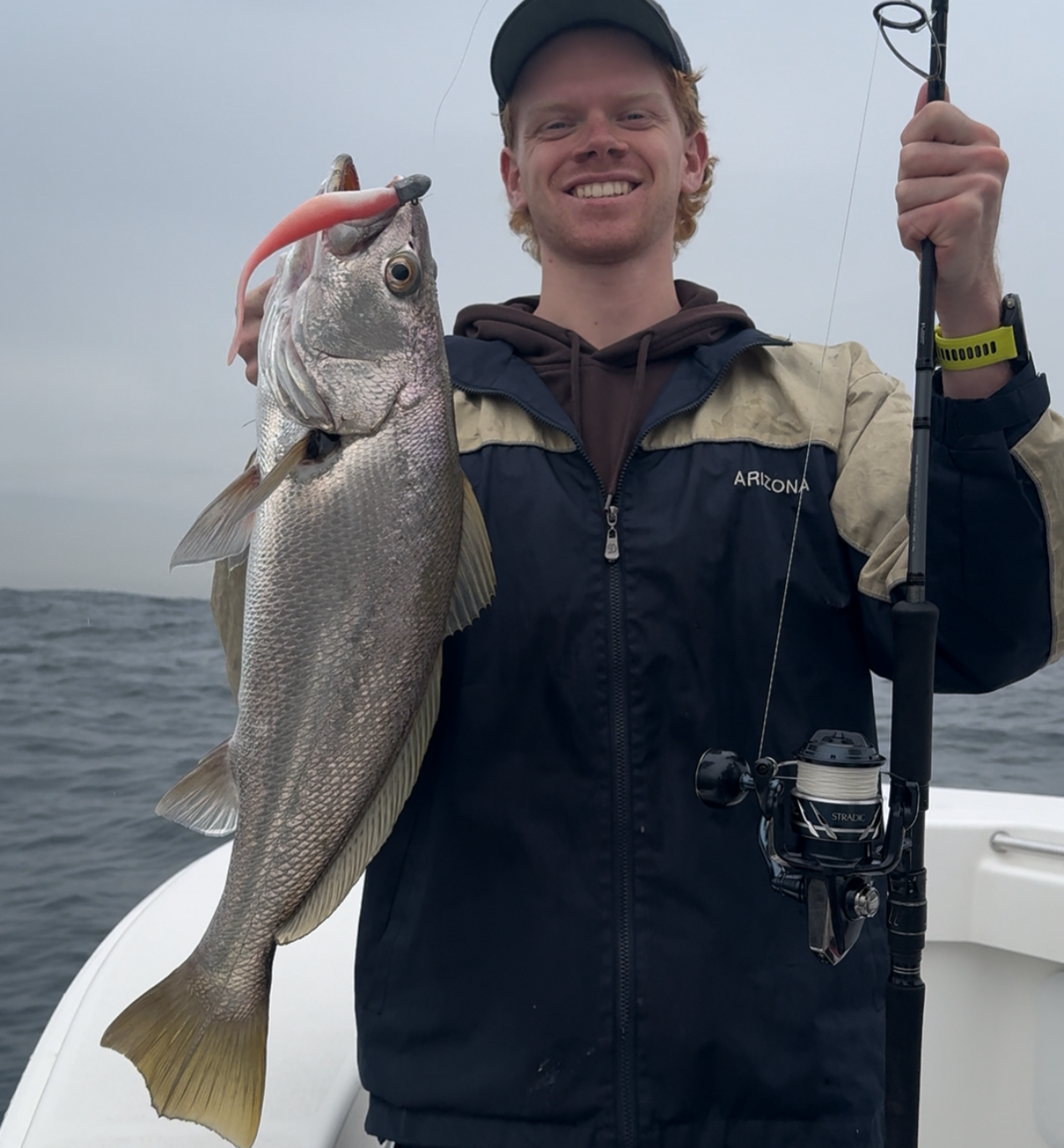
When fishing for Snapper there are many possible bycatch species you're likely to encounter, some more welcome than others..
When using soft plastics and other lures on offshore ground expect to catch Pearl Perch, Teraglin, Mulloway (Pictured Right), Spangled Emperor, Morwong & Bluespotted Flathead
Snapper fishermen often encounter Pelagic Fish as bycatch as well. When using lures Longtail Tuna, Bontio and even Mackerel are caught, especially on the north coast of NSW. Strayliners are sometimes lucky enough to pick up Cobia and Yellowtail Kingfish in their burly trails.
.png?w=1680&h=300)
POPULAR MEDIUM - HEAVY SPINNING RODS
.png?w=800&h=1000)
Trophy Hunter Snapper
Trophy Hunter Snapper Rods have been meticulously designed by fishing icon Michael Bonnici. Our pick is the 752M, an intermediate rod for both deep and shallow water.
SHOP HERE
|
.png?w=800&h=1000)
Daiwa TD Zed
The TD ZED rods were designed in house at Otto's Tackle World. The 762H model was made specifically for heavy soft plastic fishing. This heavier rod will allow you to pull bigger fish away from structure.
SHOP HERE
|
.png?w=800&h=1000)
Shimano Instage
Shimanos Instage is a premium lure fishing rod. The fast tapered and light blank of the 732M+ makes it a great wash fishing rod as you can get optimal action out of smaller jerkshad style plastics.
SHOP HERE
|
.png?w=800&h=1000)
Daiwa TD Black
A classic range and one of the most popular rods in the shop. Choose the TD Black 742MFS as a budget friendly, long-casting all rounder. Match with a 3000D sized spinning reel as a lighter inshore combo.
SHOP HERE
|
|---|---|---|---|
.png?w=1080&h=1080)
FISHING FOR SNAPPER IN SYDNEY
Off of Sydney there are plenty of reefs, wrecks, washes and deep patches of gravel which Snapper live on just waiting to have a soft plastic or dead bait dropped in-front of their noses.
Typically people like to fish grounds from 20-40 meters, Snapper feed and congregate in these areas during the cooler months. On days with little current or wind we suggest floating down lightly weighted baits into a burly trail. Tweed Bait Pilchards or fresh Slimy Mackerel fillets work a treat. 5 to 7in Jerkshad soft plastics on 1oz+ jigheads are another highly effective way to chase Snapper in these depths.
Wash fishing is another great way to target Snapper, you'll find plenty of pan sized fish (40-60cm) but dont be suprised if you encounter bigger fish in the washes. Look for white, aerated water and cast lightly weighted (1/8oz) soft plastics. Often washes fish best after big storms when large swells roll in and the water clarity is low.
Snapper fishing is always best during low light periods. The first and last hours of daylight are prime Snapper fishing conditions.
-
Berkley Nitro Saltwater Pro Offshore Jig heads
.png?w=1080&h=1080)
 Berkley Nitro Saltwater Pro Offshore Jig heads$9.99 AUD $11.99 AUD
Berkley Nitro Saltwater Pro Offshore Jig heads$9.99 AUD $11.99 AUD -
Molix RT Fork Flex 6'' Soft Plastics Jerk Shad
-0.png?w=1080&h=1080)
-1.png?w=1080&h=1080) Molix RT Fork Flex 6'' Soft Plastics Jerk Shad$13.79 AUD $14.95 AUD
Molix RT Fork Flex 6'' Soft Plastics Jerk Shad$13.79 AUD $14.95 AUD -
Berkley Gulp Jerkshad 7" Soft Plastic Fishing Lures
.png?w=1080&h=1080)
 Berkley Gulp Jerkshad 7" Soft Plastic Fishing Lures$11.70 AUD
Berkley Gulp Jerkshad 7" Soft Plastic Fishing Lures$11.70 AUD -
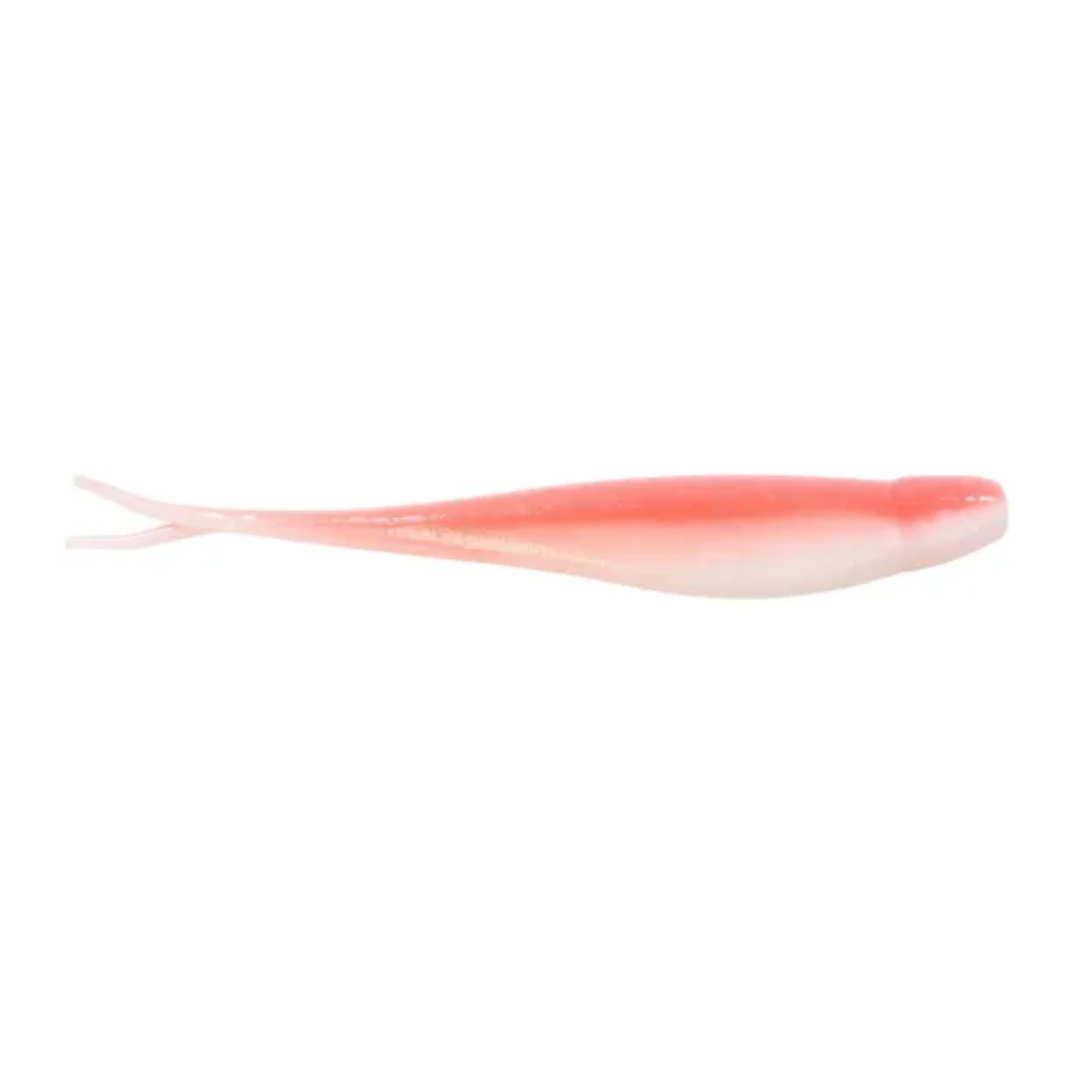
Berkley Gulp Jerkshad 5" Lures Soft Plastic Fishing Lures
.png?w=1080&h=1080)
 Berkley Gulp Jerkshad 5" Lures Soft Plastic Fishing Lures$11.70 AUD
Berkley Gulp Jerkshad 5" Lures Soft Plastic Fishing Lures$11.70 AUD -
Berkley Gulp Nemesis 6.5" Soft Plastic Fishing Lure
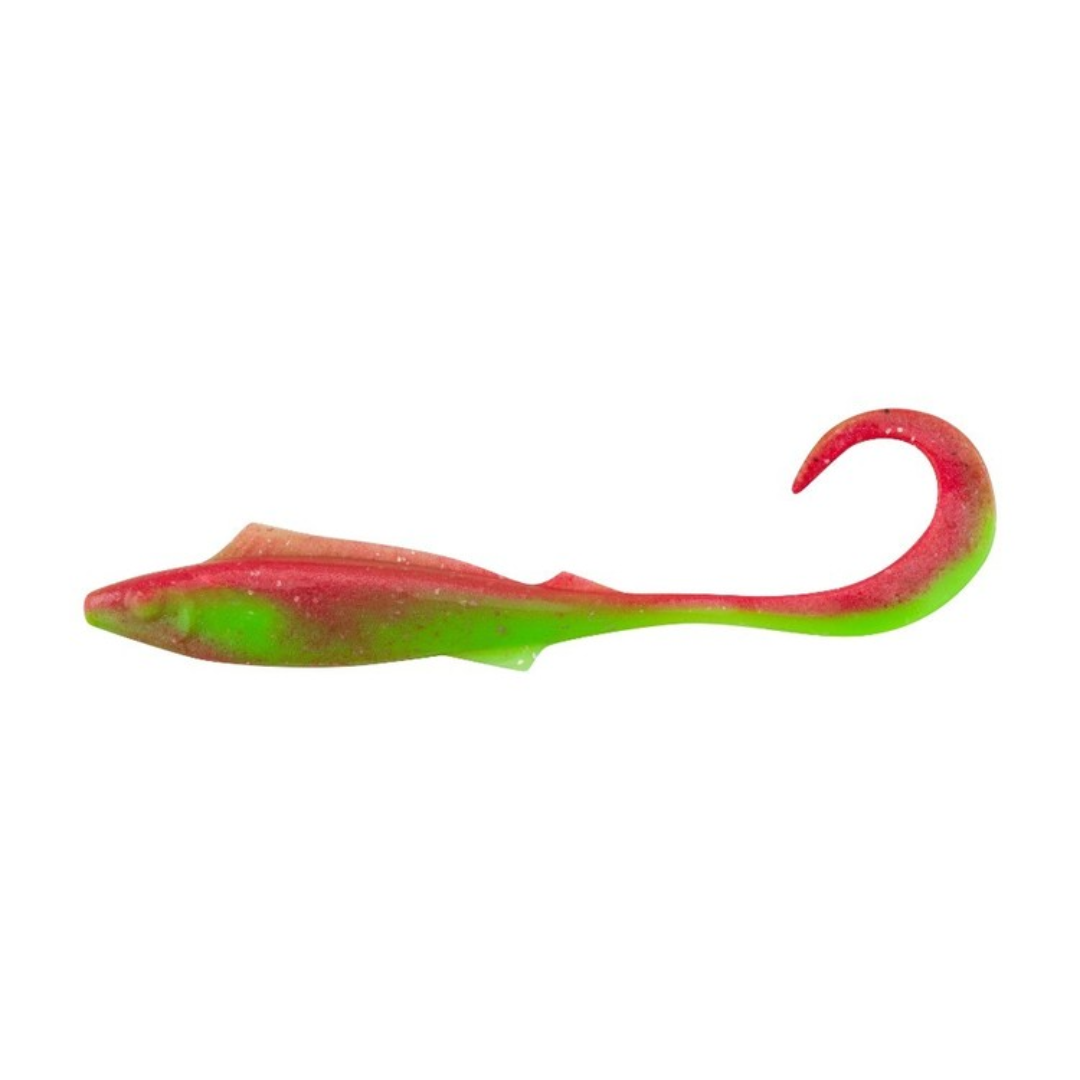
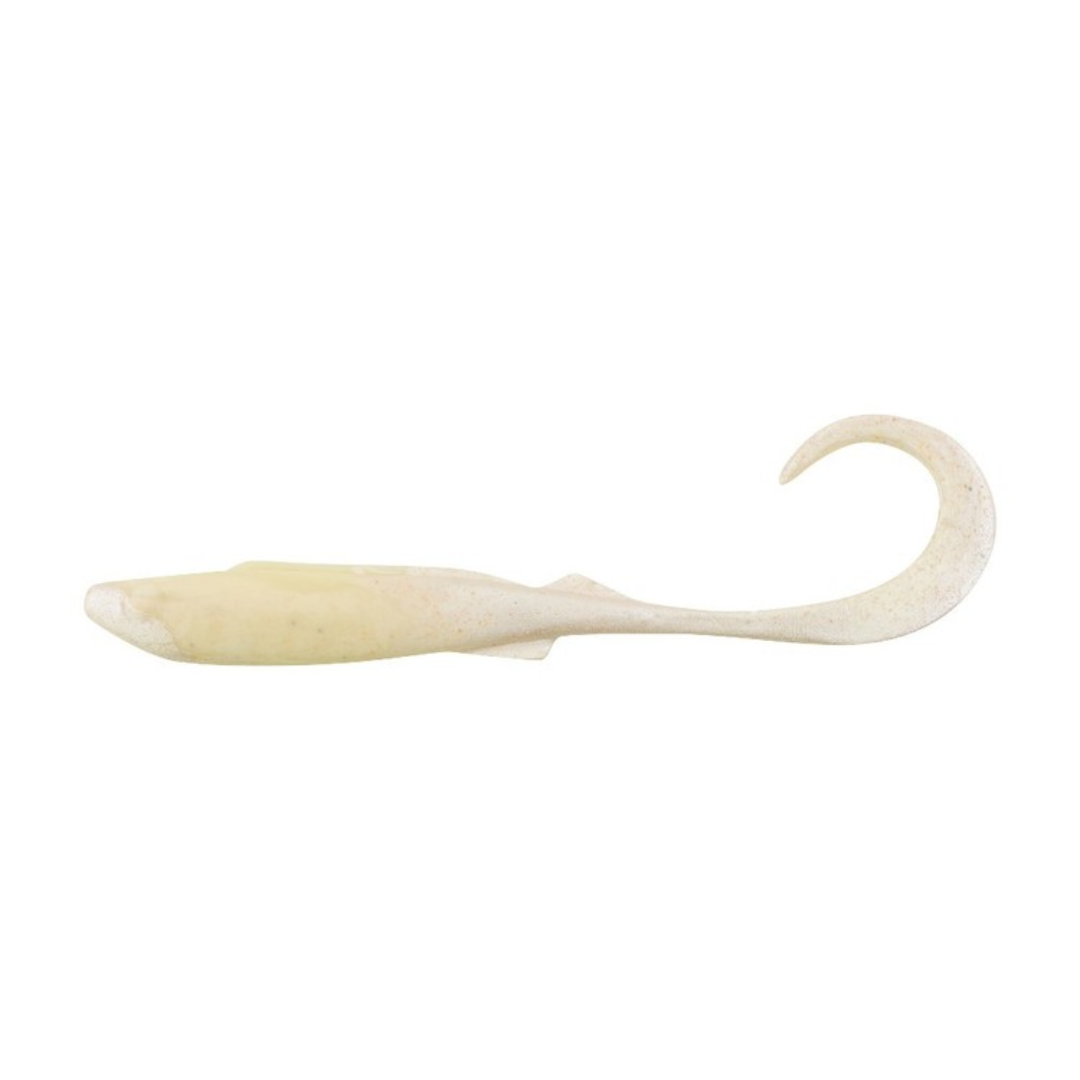 Berkley Gulp Nemesis 6.5" Soft Plastic Fishing Lure$11.70 AUD
 -
Daiwa Bait Junkie 5" JERKSHAD Soft Plastic Fishing Lure
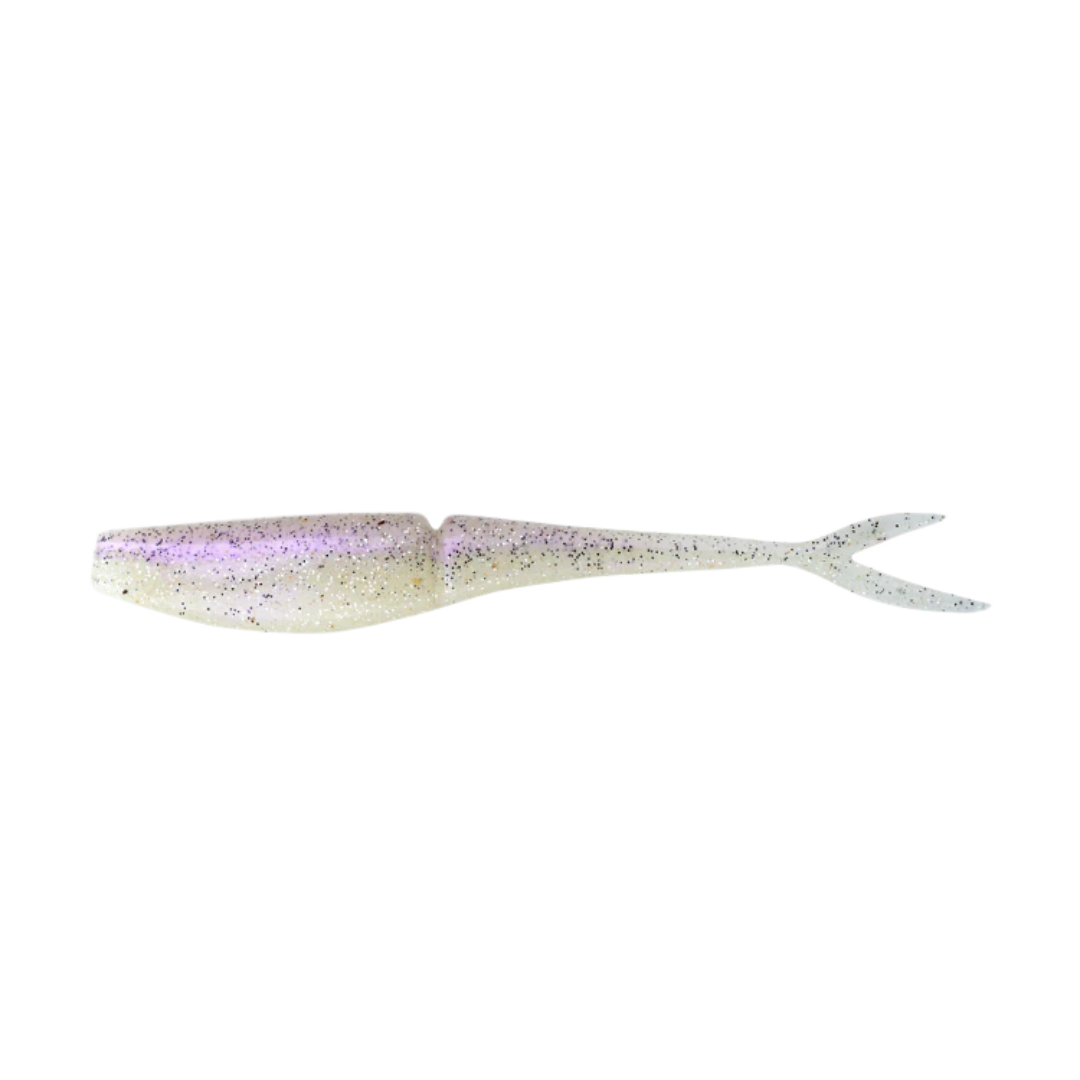
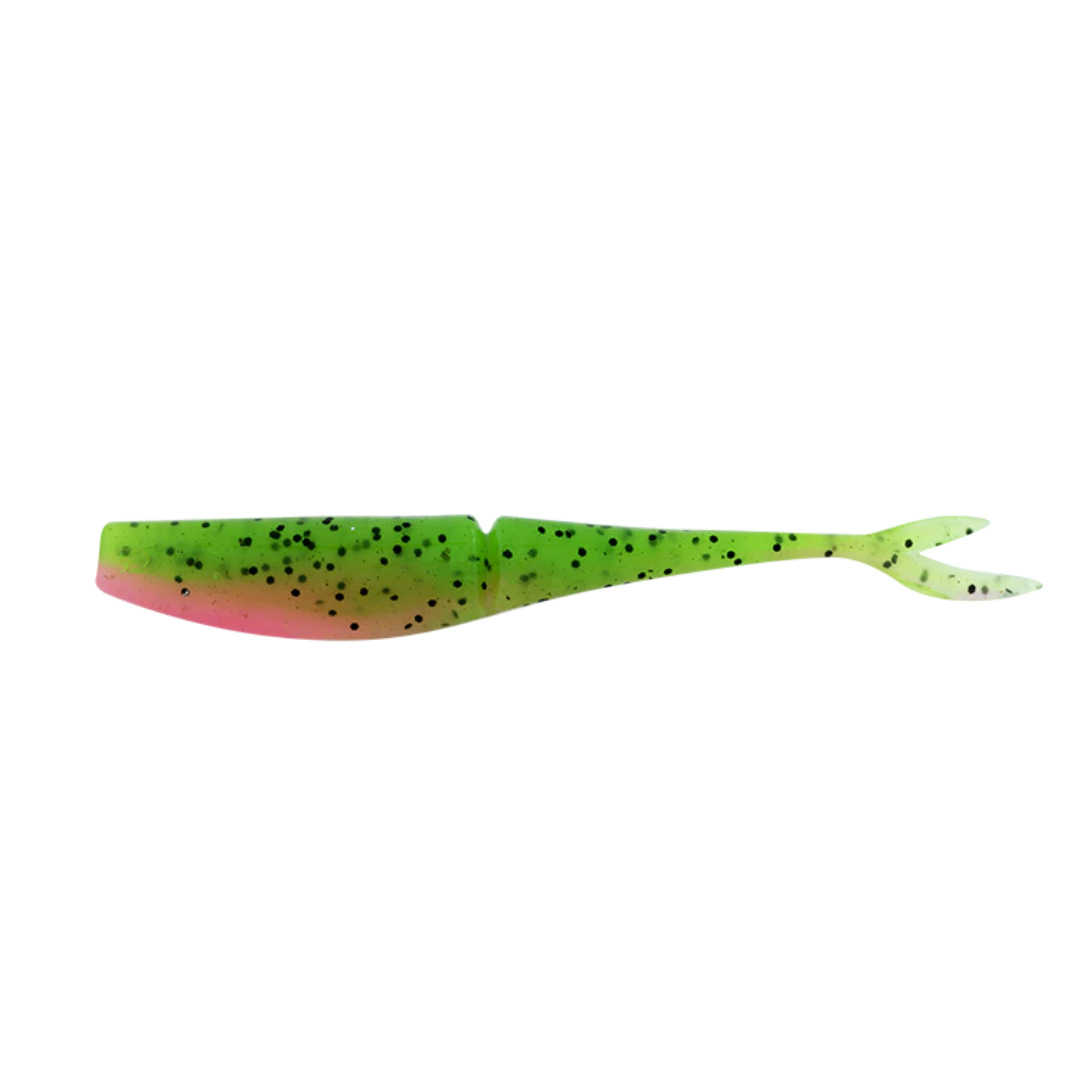 Daiwa Bait Junkie 5" JERKSHAD Soft Plastic Fishing Lure$11.99 AUD
 -
ProLure 160mm Prey Minnow Soft Plastic Fishing Lure

 ProLure 160mm Prey Minnow Soft Plastic Fishing Lure$11.90 AUD
 -
Molix RT Fork Flex 4'' Soft Plastics Jerk Shad
-1.png?w=1080&h=1080)
-0.png?w=1080&h=1080) Molix RT Fork Flex 4'' Soft Plastics Jerk Shad$11.79 AUD $14.95 AUD
Molix RT Fork Flex 4'' Soft Plastics Jerk Shad$11.79 AUD $14.95 AUD -
DAIWA BAIT JUNKIE 5.5" WAVE MINNOW SOFT PLASTIC FISHING LURE
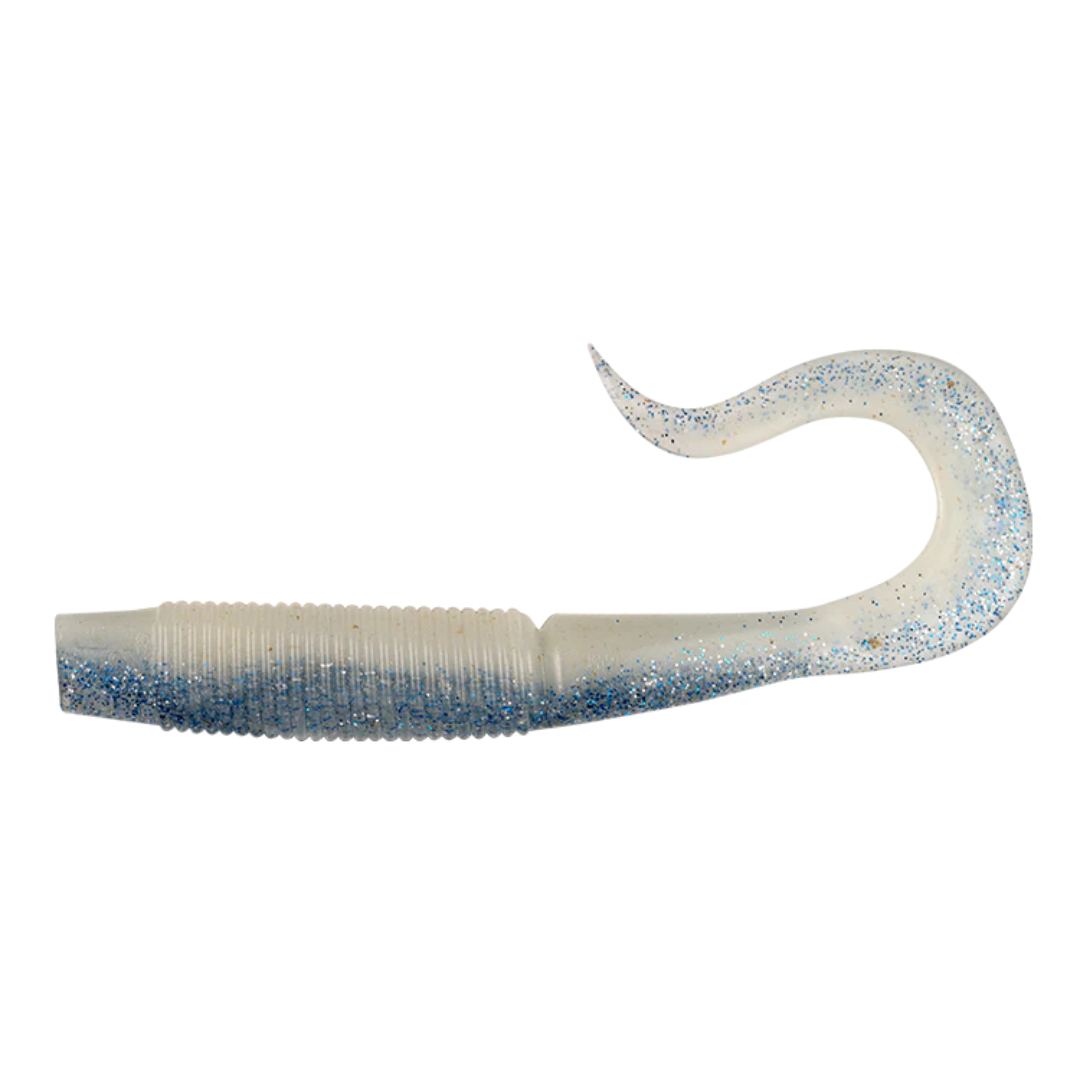
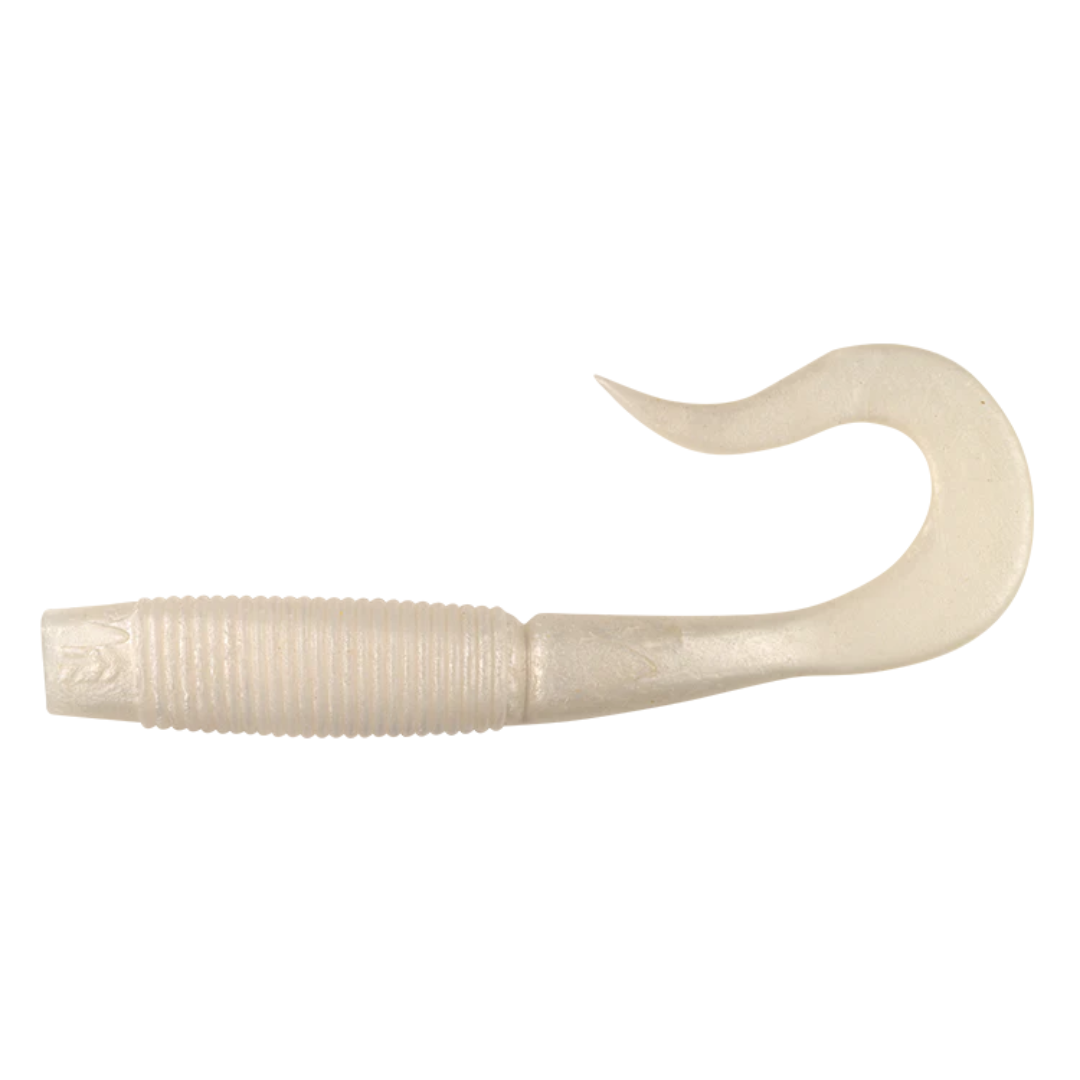 DAIWA BAIT JUNKIE 5.5" WAVE MINNOW SOFT PLASTIC FISHING LURE$11.99 AUD
 -
ZMan Scented Jerk ShadZ 5" Soft Plastic Fishing Lures
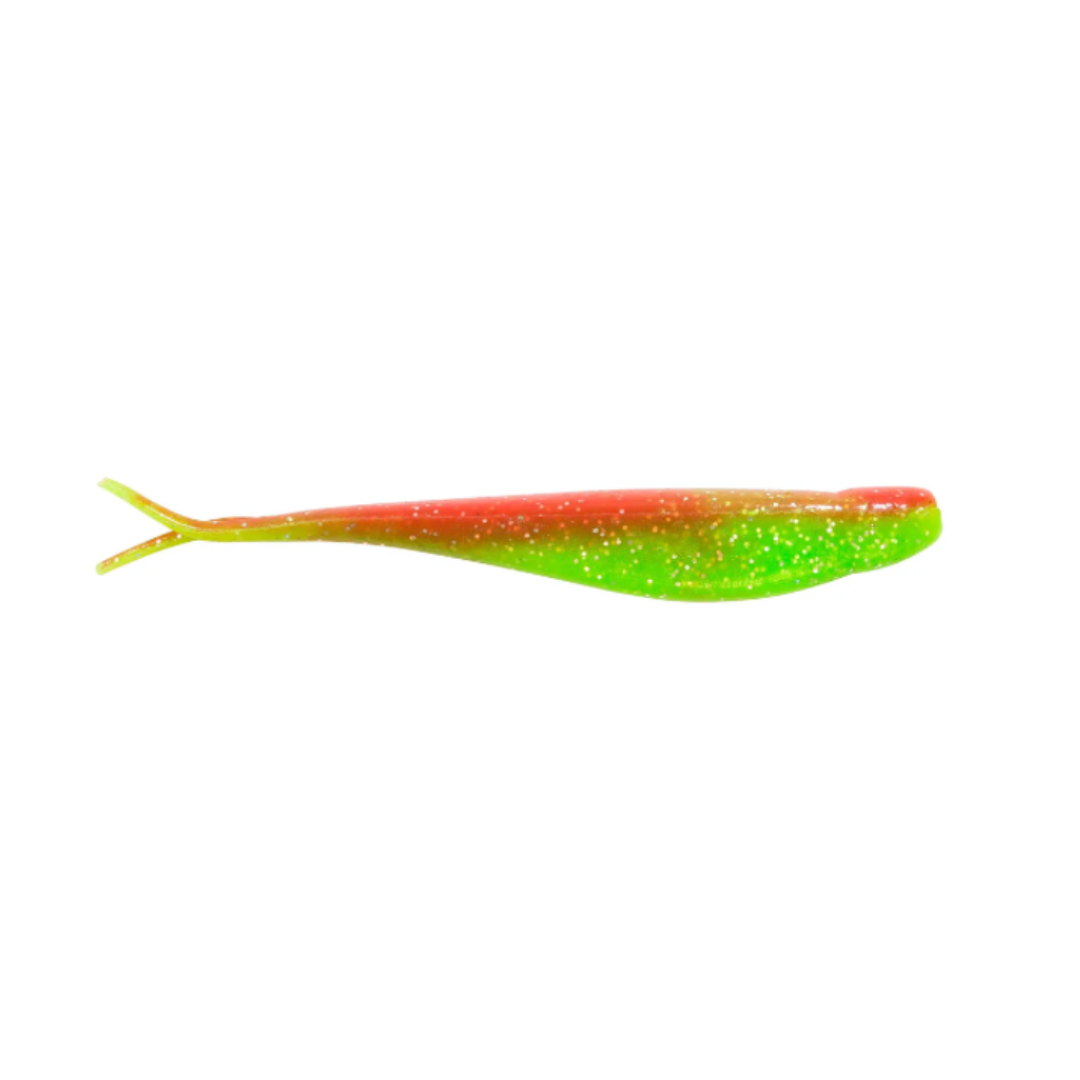
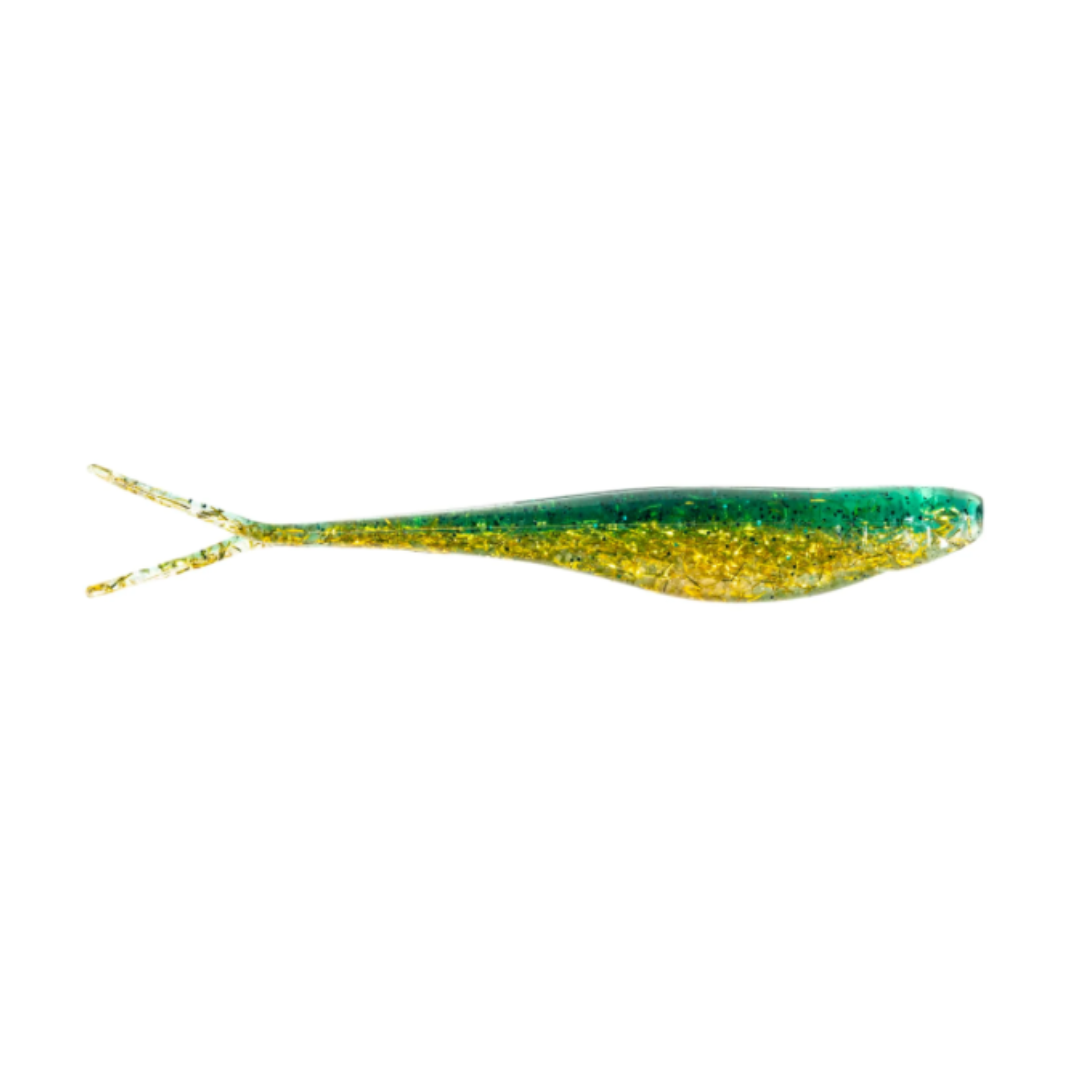 ZMan Scented Jerk ShadZ 5" Soft Plastic Fishing Lures$9.69 AUD $15.95 AUD
.png?w=1680&h=300)
.png?w=800&h=1000)
Deep Dropping For Snapper (50m-110m)
Manually retrieving heavy sinkers, large baits and fish in deep water can quickly cause fatigue. Hence why smaller sized electric reels (300-500) have surged in popularity, these light electric fishing combos have proven to be the most efficient way to fish deeper grounds.
When you're sitting on ground in deep water you should be constantly checking your sounder for any signs of bait, fish or drastic changes in depth. Schools of baitfish sitting on or near the ocean floor is a great indicator that there will be Snapper in the area.
Both bait and lure fishing works well on Snapper out wide. Lures such as the Daiwa Kohga, Shimano Baku-Baku and Lucanus jigs are amongst the most popular. These lures have a small profile, are extremley heavy and have assist hooks that can be tipped with bait.
Common by-catch in deep water includes Teraglin, Jewfish, Pearl Perch and Blue Morwong
.png?w=800&h=1000)
.png?w=800&h=1000)
.png?w=800&h=1000)
.png?w=800&h=1000)
.png?w=1080&h=1080)
Daiwa Leobritz & Seapower Light Electric Fishing Combo
_1445x.png?w=1080&h=1080)
_1800x.png?w=1080&h=1080)
.png?w=800&h=1000)
Tide / Time Of Day / Moon Phase
The most important factor that will bring you success when chasing Snapper is to be fishing low light periods. Often we’ve caught our better fish in the first 2 or 3 casts of a session or right before we are about to leave.
There is something about low light periods that triggers a Snappers predatory instincts and we can’t stress enough that you should be casting lures before the sun is up and as it’s setting.
As long as you are fishing 2 hours before or after a tide change we find tides aren't too much of a factor whilst fishing for Reds.
Most fishos like to fish the lead up and immediately after the Full-Moon, although the New-Moon can also lead to some hot bites. Snapper have to eat regardless of if it’s a full moon, waning moon or new moon, don’t let what is typically regarded as a ‘bad’ moon phase discourage you from fishing.
Ultimately its time on the water that equates to you finding big fish, and if you put together some reasonable Otto's Tackle World advice and a few solid sessions offshore it’ll only be a matter of time before your fishing buddy is reaching over the side of a boat with a net (or gaff) preparing to land your trophy fish.
.png?w=1680&h=300)
Fishing Off The Rocks.
If you dont have access to a boat, Snapper fishing landbased is still a feasible way to catch high numbers of fish. Fishing off the the land requires a different approach, anglers opt for long Surf Rods 9ft or more. These longer rods give you a better casting distance and load up slower, soaking up the pressure from fish darting towards structure. The rig is pretty simple, tie a 4/0 - 6/0 thin gauge octopus style hook to a 30lb leader, use a small sized ball sinker in order to let your bait naturally float through the water column. More often than not Snapper will take your bait on the drop, so be ready!
A consistent burly trail can make all of the difference when fishing landbased. Most fresh fish baits are a solid option, whole pilchards are an easily accessible choice. Some fishos opt for Yakka or Slimy Mackerel either filleted or butterflied, these baits stay on the hook far better than pilchards and are a good choice when there are smaller pickers around.
.png?w=1080&h=1080)
WHAT TO LOOK FOR WHEN ROCK FISHING:
A clear indicator that the spot that you're fishing isnt safe is if the area you are standing on is wet.
Typically anglers like a moderate swell when Snapper fishing as it creates a wash. A good swell will aerate the water and break up nutrients on the rocks such as Cunji, Cabbage Weed and small animals like Crabs, this acts as a natural burly trail and fires up the fishing.
As it is a dangerous sport, we highly reccomened bringing essential safety equipment such as rock cleats, a life jacket and a headtorch when rockfishing!
GALLERY
-
Highlights
.png?w=1080&h=1080)
.png?w=1080&h=1080)
-
Highlights
-
-
Shimano Bronzie Basher & TLD 9ft LBG Shark Fishing Combo
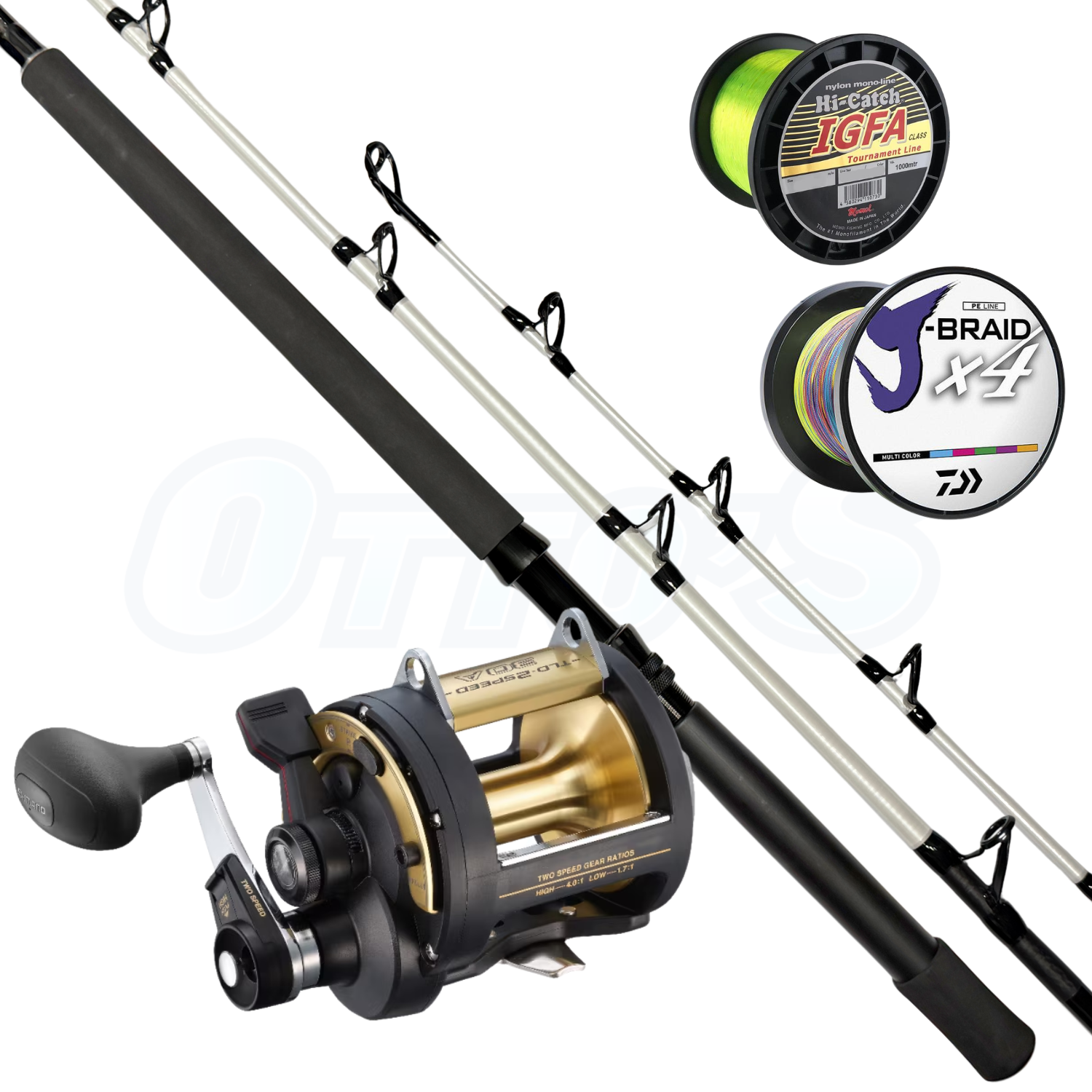 Shimano Bronzie Basher & TLD 9ft LBG Shark Fishing Combo$769.00 AUD $929.00 AUD
 -
Alvey Adventurer & Daiwa Crossfire Light Beach Fishing Combo
 Alvey Adventurer & Daiwa Crossfire Light Beach Fishing Combo$149.00 AUD $159.00 AUD
 -
Alvey 'Surf Champion' & Wilson 12ft Beach Fishing Combo
 Alvey 'Surf Champion' & Wilson 12ft Beach Fishing Combo$413.00 AUD
 -
Daiwa Legalis & Crossfire Medium Beach Fishing Combo
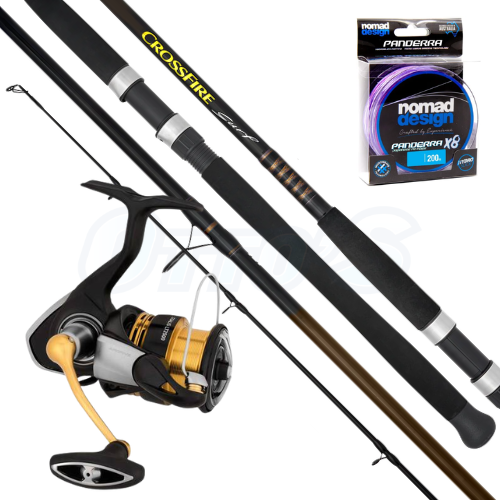 Daiwa Legalis & Crossfire Medium Beach Fishing Combo$215.00 AUD $315.00 AUD
 -
Shimano Coltsniper & Daiwa Certate HD PE3 Rockfishing Spinning Combo
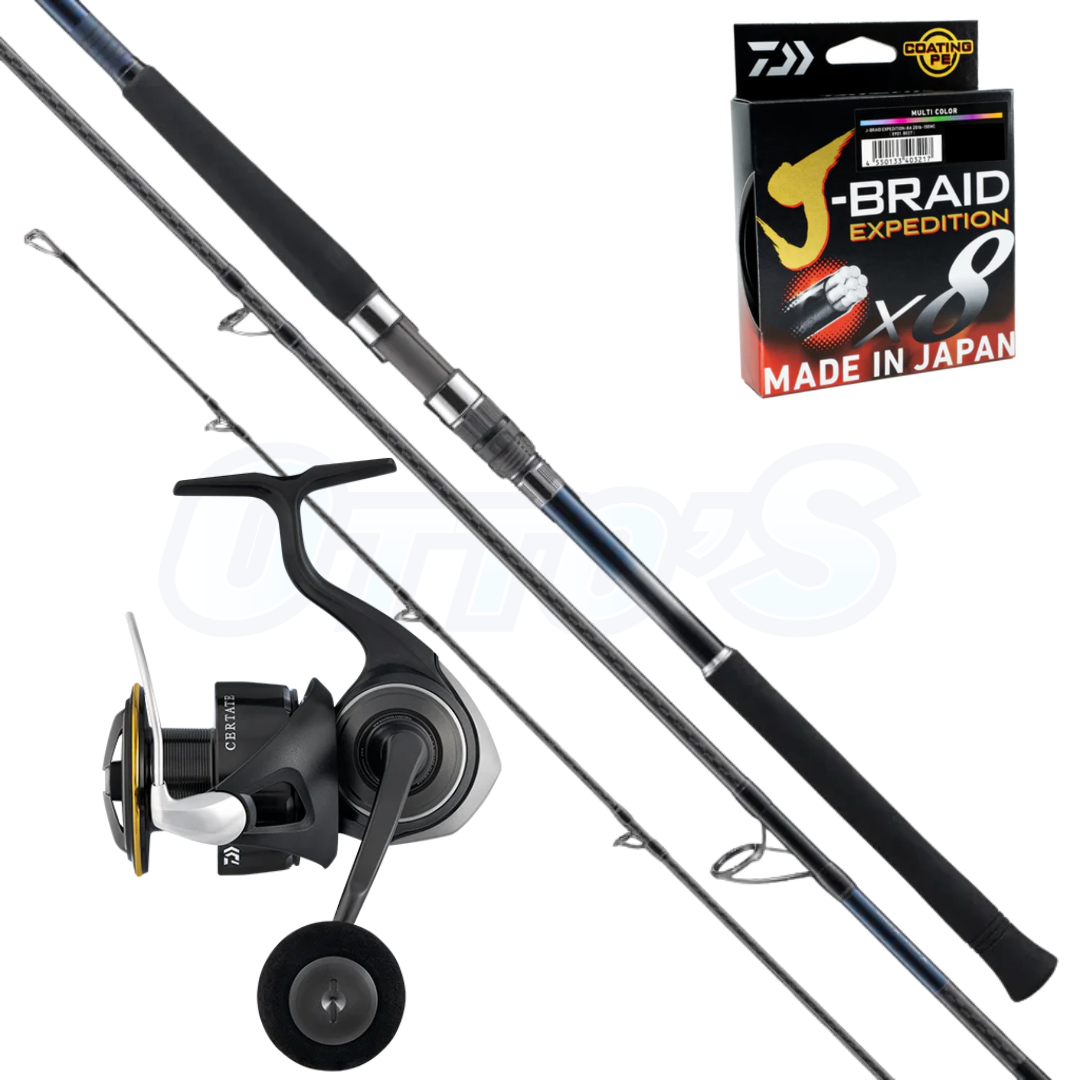 Shimano Coltsniper & Daiwa Certate HD PE3 Rockfishing Spinning Combo$1,193.00 AUD $1,277.00 AUD
 -
Penn Mercenary & Shimano Tyrnos 15kg LBG Overhead Fishing Combo
.png?w=1080&h=1080) Penn Mercenary & Shimano Tyrnos 15kg LBG Overhead Fishing Combo$587.00 AUD $764.00 AUD
Penn Mercenary & Shimano Tyrnos 15kg LBG Overhead Fishing Combo$587.00 AUD $764.00 AUD -
Penn Mercenary & Shimano Speedmaster 15kg LBG Overhead Fishing Combo
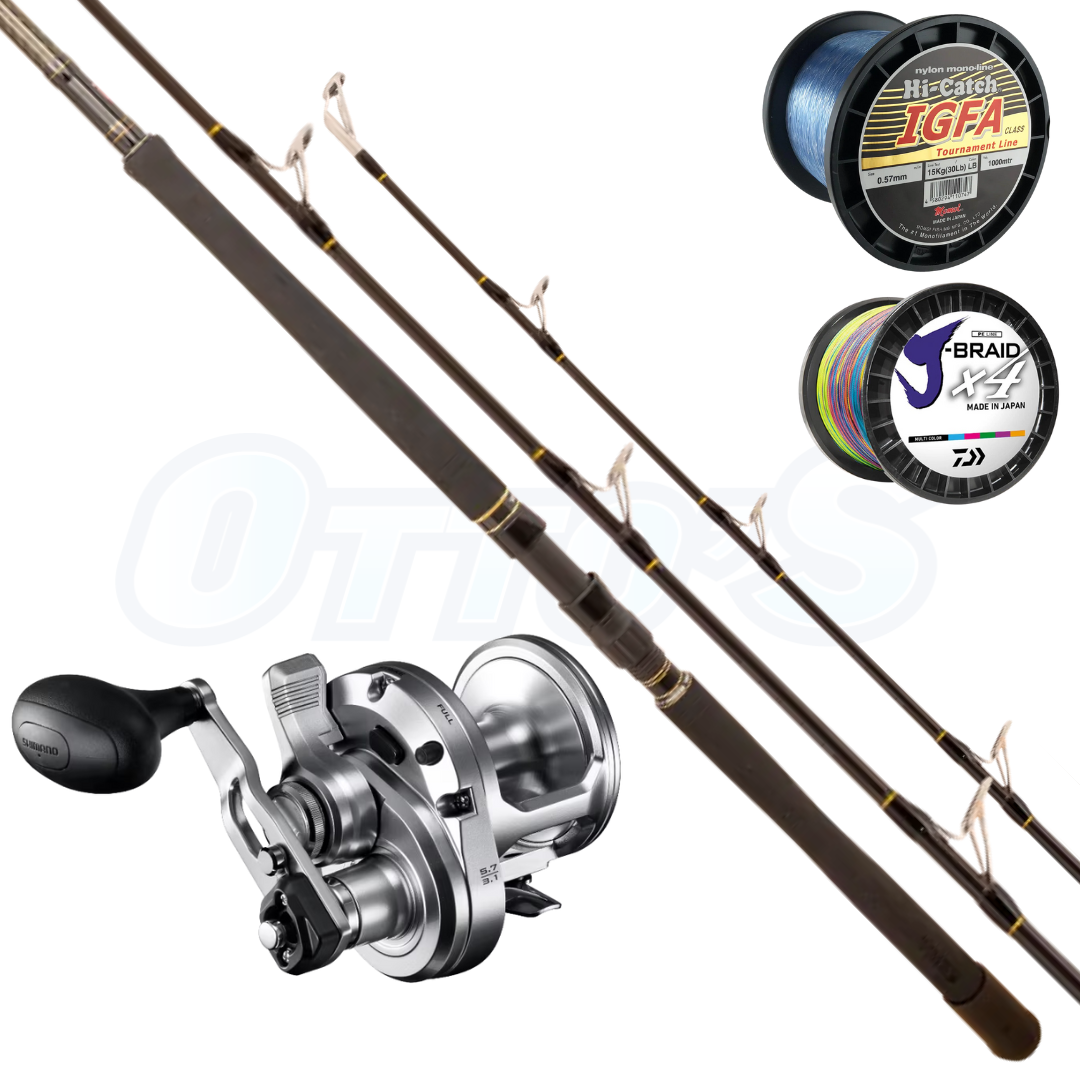 Penn Mercenary & Shimano Speedmaster 15kg LBG Overhead Fishing Combo$569.00 AUD $778.00 AUD
 -
Shimano Spheros SW & Reventus All-Rounder Rockfishing Combo
.png?w=1080&h=1080) Shimano Spheros SW & Reventus All-Rounder Rockfishing Combo$497.00 AUD $526.00 AUD
Shimano Spheros SW & Reventus All-Rounder Rockfishing Combo$497.00 AUD $526.00 AUD -
Shimano Sedona & Izalus Light Rockfishing Combo
.png?w=1080&h=1080) Shimano Sedona & Izalus Light Rockfishing Combo$310.00 AUD
Shimano Sedona & Izalus Light Rockfishing Combo$310.00 AUD -
Shimano Thunnus and Daiwa Seabass Baitrunner Heavy Combo
.png?w=1080&h=1080) Shimano Thunnus and Daiwa Seabass Baitrunner Heavy Combo$588.00 AUD $744.00 AUD
Shimano Thunnus and Daiwa Seabass Baitrunner Heavy Combo$588.00 AUD $744.00 AUD
.png?w=750&h=800)
.png?w=3780&h=1890)